

 New Horizons
 Project Management Academy
 Six Sigma Online
 TCM Security
 TRACOM
 Velopi
 Watermark Learning
 Login
Login


Key Takeaways
- Dual-method fluency: Analysts stay effective by shifting comfortably between Waterfall and Agile.
- Context-first choices: Method selection works best when tied to risk, clarity, and learning needs.
- Evolving BA role: Deliverables, timing, and collaboration patterns change with each approach.
- Right-level detail: “Complete enough” requirements vary across delivery models.
- Leadership connection: BAs help teams align expectations when methods and mindsets collide.
When Waterfall and Agile Collide in Real Life
Most BAs have experienced the chaos of switching between Waterfall and Agile on short notice. Waterfall demands detailed upfront documentation, while Agile requires fast learning as details change. Without quick adaptation, even simple tasks become more difficult.
At XentinelWave, analysts face this tension often because leaders hold different views on how much clarity is needed upfront. Some want firm answers early, while others expect details to evolve as the team learns. As a result, analysts end up bridging those expectations without always knowing what leaders prefer.
Many organizations juggling legacy systems and new product work rely on a mix of methods. Instead of choosing sides, BAs help people understand what each approach enables. Clear explanations help teams stay aligned and give leaders the clarity they need to make informed decisions.
Understanding both methods helps analysts clear up confusion and support better conversations. When expectations become actionable, projects gain momentum. With that foundation set, it’s easier to explore how each method works and how analysts can support both.
Why This Comparison Still Matters
Many organizations operate in a mix of Waterfall and Agile, even when they believe they’re following just one. Teams often work from different assumptions about planning, clarity, and timing. Analysts sit at the intersection of those differences and feel the impact first.
In a strategy meeting, the CIO noted that analysts were often asked to “adjust on the fly” without clear direction. The Portfolio Manager added that shifting expectations left analysts juggling conflicting priorities, creating stress and slowing their ability to support teams.
Several leaders noted that analysts were often left to sort through unclear expectations on their own, which made early project work harder than it needed to be. Others added that providing clearer context at kickoff would help analysts feel more confident and reduce rework later.
Seeing how often expectations differ helps leaders understand why analysts need clarity at project start-up. When expectations are stated directly, teams are better prepared to understand the differences between Waterfall and Agile.
What Really Separates Waterfall and Agile
Waterfall and Agile approach planning and learning in different ways. Understanding those assumptions helps analysts prepare the right conversations and set realistic expectations. Clear comparisons also help leaders choose methods intentionally instead of relying on habits.
As the meeting continued, the Senior BA noted that teams often blended Waterfall and Agile without realizing it, which made expectations harder to manage. The CIO agreed that this mismatch created pressure that the work couldn’t support and how these mixed practices caused confusion before projects even began.
Several leaders noted that teams often struggled when the chosen method didn’t match the expectations set at the start. They discussed offering clearer guidance during kickoff so analysts could begin their work with greater confidence.
Helpful contrasts include:
- Structure: Waterfall moves step by step; Agile adapts as it goes.
- Planning: Waterfall plans deeply upfront; Agile adjusts based on learning.
- Roles: Waterfall roles crystallize early; Agile roles shift with team needs.
- Requirements: Waterfall locks them down early; Agile evolves them through feedback.
- Delivery: Waterfall releases once; Agile releases often.
Understanding these contrasts helps analysts anticipate where alignment conversations belong and how much certainty each stage requires. With this foundation in place, it becomes easier to explore how the BA role flexes within each method.
How a BA’s Work Shifts Between Waterfall and Agile
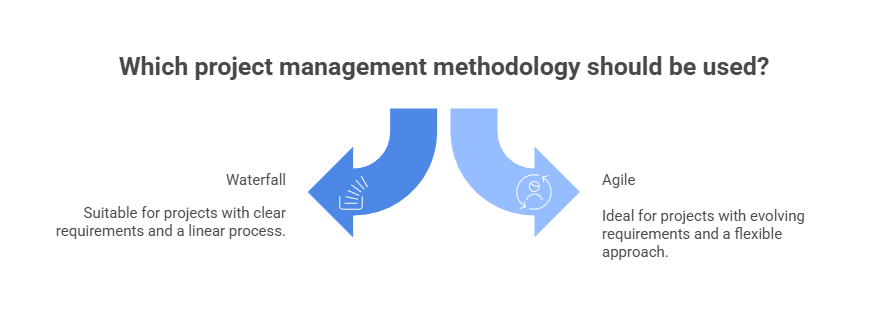
Analysts don’t change who they are when switching methods, but the timing and focus of their work shift. Waterfall concentrates on early analysis, while Agile spreads it across the project. Understanding these shifts helps analysts support teams without working at cross-purposes.
Later in the discussion, the Portfolio Manager noted that “requirements ownership” meant different things depending on the method, which left analysts unsure how much detail to provide early on. The CIO agreed that this tension between early certainty and shifting priorities created confusion that slowed analysis.
One manager noted that analysts often had different interpretations of what “good requirements” meant across the methods. Others added that setting shared expectations would help teams reduce rework and begin projects with clearer direction.
In Waterfall, analysts often focus on:
- Formal documentation: BRDs (Business Requirements Documents), process flows, and system specs.
- Cross-team translation: Turning business needs into technical clarity.
- Approval facilitation: Securing sign-off before the build begins.
In Agile, analysts shift toward:
- Backlog clarity: Writing epics, features, and stories with strong acceptance criteria.
- Team participation: Joining refinement, planning, and demos.
- Progressive detail: Adjusting clarity as the team learns.
- Readiness checks: Ensuring work meets the Definition of Ready.
- Story slicing: Breaking large items into testable pieces.
- Dependency visibility: Surfacing impacts early.
When analysts understand these shifts, they can adjust how they prepare information so it supports, not hinders, the team’s momentum. This awareness also helps analysts translate traditional artificats into Agile-friendly formats without losing important detail.
How to Turn Traditional Requirements Into Agile-Friendly Formats
Legacy documentation can create confusion when teams use Agile practices, but it still has value. Analysts can adapt existing materials to support iterative work and retain key insights. This adaptation lets teams use what they know without being constrained by older templates.
The group paused to examine how legacy documentation fits into newer ways of working. The Senior BA noted that many BRDs still held valuable context, even if their structure no longer fit Agile work. The Portfolio Manager added that it wasn’t always clear which parts should carry forward, making reuse difficult.
A few people noted that teams often blended governance documents with delivery materials, adding unnecessary effort. They discussed how focusing on the pieces that truly matter would help analysts reuse older documentation without carrying unnecessary detail into each project.
Helpful translations include:
- BRD → Epic or feature: Captures business outcomes.
- Functional specs → User stories: Breaks work into small units.
- Use cases → Acceptance criteria: Defines expected behavior.
- Test plan → Definition of Done: Aligns completion with testing.
- Traceability matrix → Backlog + tests: Maintains coverage in evolving work.
Adopting this translation mindset helps analysts bridge the gap between established processes and more adaptive methods. Once teams see how familiar artifacts can evolve, discussions about method fit become easier and more productive.
Choose the Right Approach for the Right Project
Choosing Waterfall or Agile should reflect the nature of the work rather than personal preference. Analysts help leaders clarify, anticipate change, and assess risk, ensuring method choices align with project needs. Starting these conversations early allows leaders to prevent misalignment later.
When the discussion turned to method selection, the Senior BA noted that method choices often came from habit rather than objective evaluation. The Portfolio Manager added that mismatched methods made simple tasks more difficult and left analysts to shoulder extra effort due to unclear expectations.
Several leaders noted that some projects needed more structure than teams expected, especially in regulated areas. From there, the conversation shifted to how choosing the best method upfront could make the work easier and give analysts clearer direction from the start.
Common method fits include:
- Waterfall: High regulation, stable scope, strong traceability needs.
- Agile: Evolving needs, user-centered innovation, frequent collaboration.
- Hybrid: Agile discovery blended with Waterfall release or compliance.
When analysts help leaders examine these factors, method selection becomes more deliberate and grounded in the realities of the work. This clarity also opens the door to addressing the cultural differences that influence how teams interpret each approach.
Bridge the Cultural Divide
Waterfall and Agile represent different beliefs about how clarity develops. Waterfall assumes it appears early through structured analysis, while Agile assumes clarity emerges through iteration. Analysts often bridge these expectations when they collide.
As leaders compared how teams interpreted each method, the Engineering Manager observed that teams sometimes used Agile terminology without adhering to its practices. Others noted that sprint teams were still asked to provide full requirements before planning, leaving analysts unsure how to support the work reliably.
Someone noted that teams often struggled because the flow of work wasn’t written down. Others added that mapping it out would make it easier to spot gaps and address issues before teams slowed down.
Analysts help ease the cultural divide by using:
- Shared visuals: Making work visible.
- Translated artifacts: Clear summaries for leaders and actionable details for teams.
- Visible decision points: Showing where approvals occur.
- Balanced expectations: Supporting flexibility and accountability.
Recognizing these patterns helps teams shift from seeing methodology as the problem to examining their own habits and assumptions. Once that happens, analysts are better positioned to adapt their approach across different environments.
How BAs Adjust Their Style Between Waterfall and Agile
BAs now work across multiple approaches as part of their daily responsibilities. Adjusting detail, timing, and communication helps teams get the information they need when they need it. When analysts do this well, teams see smoother handoffs, fewer stalls, and clearer expectations for leaders.
Near the end of the meeting, several leaders acknowledged that analysts were often expected to shift between methods without clear guidance. That guesswork slowed their analysis and made it harder to consistently support teams.
Several leaders mentioned that short, practical playbooks would help analysts when switching between methods. Others added that clearer expectations would help teams adjust more easily and avoid delays during transitions.
Helpful shifts when moving from Waterfall to Agile include:
- Detail timing: Provide the clarity needed now, then refine.
- Lighter documents: Focus on decision-ready information.
- Frequent alignment: Use short, regular check-ins.
When moving from Agile to Waterfall, analysts benefit from:
- Upfront clarity: Define outcomes and constraints early.
- Testing linkage: Connect requirements tightly to test plans.
- Stable commitments: Show how changes affect cost and time.
Mindsets that help anywhere include:
- Toolkit thinking: Treat methods as options.
- Clarity fit: Match detail to the next decision.
- Audience awareness: Adjust communication by role.
- Just-enough documentation: Scale based on risk.
These habits help analysts stay effective even when environments shift unexpectedly. As analysts become more comfortable switching styles, organizations become better at aligning leadership expectations with the realities of delivery.
Where Teams Land When Expectations Finally Align
Organizations function best when leadership expectations, analysis, and delivery methods align. Analysts help clarify decisions and reduce ambiguity. With alignment, teams face fewer obstacles and progress more easily.
Six months after XentinelWave’s meeting, teams experienced clearer starts, stronger collaboration, and fewer handoff issues. Analysts switched methods with more confidence, and leaders made more deliberate choices. Together, these changes reduced rework and improved delivery reliability.
Watermark Learning helps business analysts build the practical and leadership skills needed to guide teams with clarity across Waterfall and Agile work. If your organization wants more consistent alignment and stronger project outcomes, we’re ready to help you take the next step.


 New Horizons
 Project Management Academy
 Velopi
 Six Sigma Online
 Watermark Learning